My Inaugural Lecture as a #WOMENSART Thread
With enormous gratitude to @womensart1. More info on all the artworks in this thread is available via her magnificent Twitter account
Communication is at the heart of all that humans do
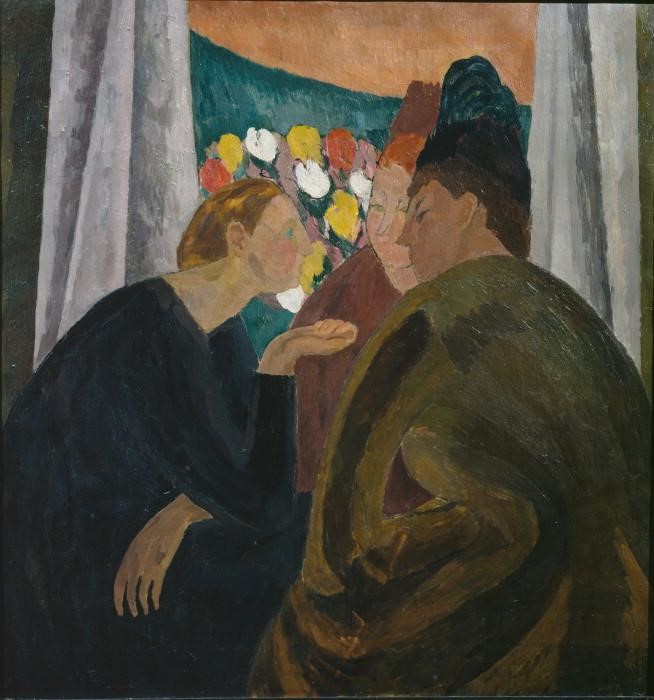
A Conversation, 1916 by English painter Vanessa Bell, sister of Virginia Woolf
Words allow transient internal thoughts to exist beyond our mind

Photograph of Woolf’s writing table, Sussex, 1965 by Gisèle Freund
Writing systems make permanent record of our words
Share ideas with people we’ve never met
Or have not been born
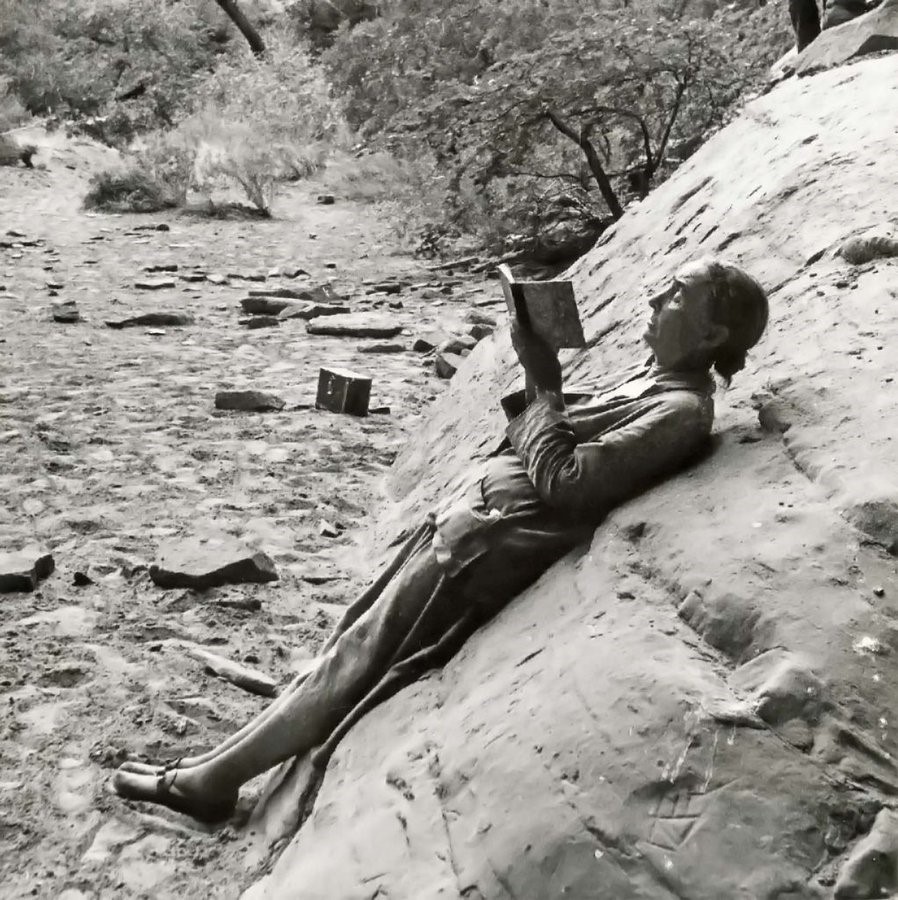
Georgia O’Keeffe reading in Glen Canyon, 1961 (photo by T. Webb)
Technologies develop incrementally using this shared knowledge
Changing society for better
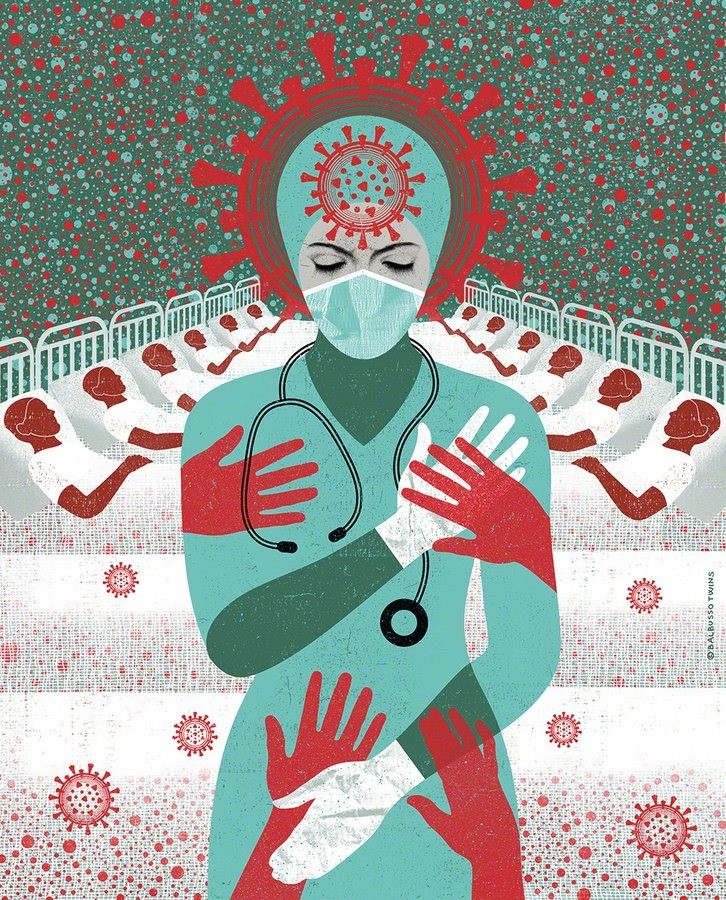
Italian illustrator twins, Anna & Elena Balbusso’s artwork
Or for worse
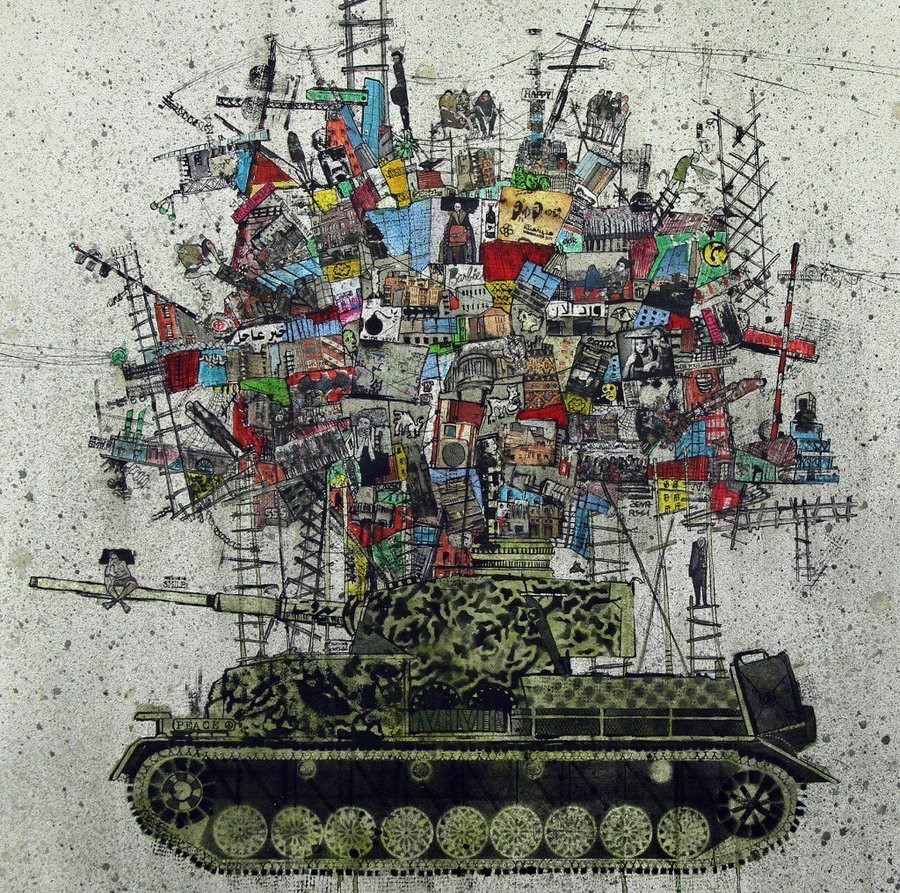
My city on a tank, 2015 by Lebanese artist Zena Assi
Words are the building blocks of complex language
Simple words combine to express deeply profound ideas
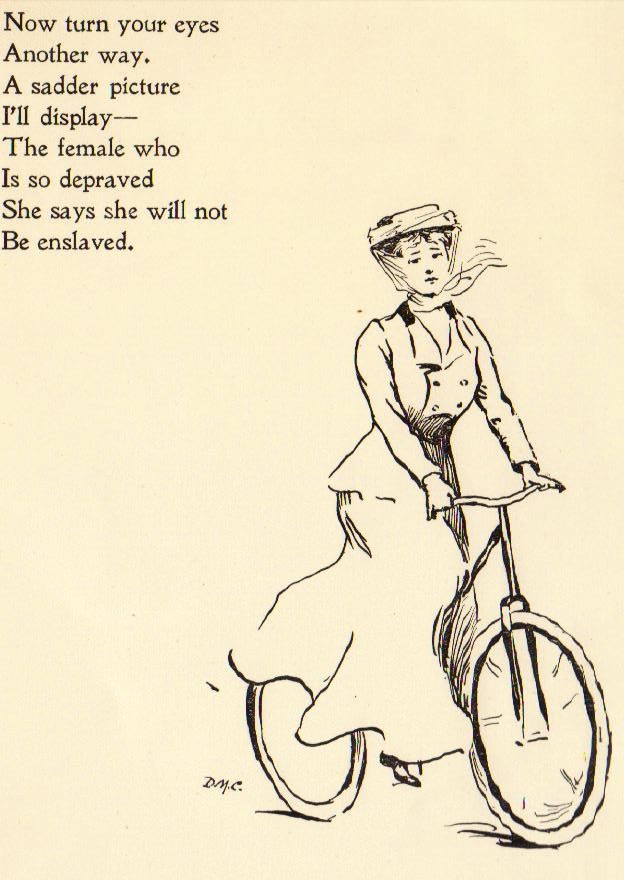
Cicely Hamilton’s & Dora Coates’ satirical pamphlet mocking of anti-suffragette views,1910
We communicate emotions
Shape complex relationships
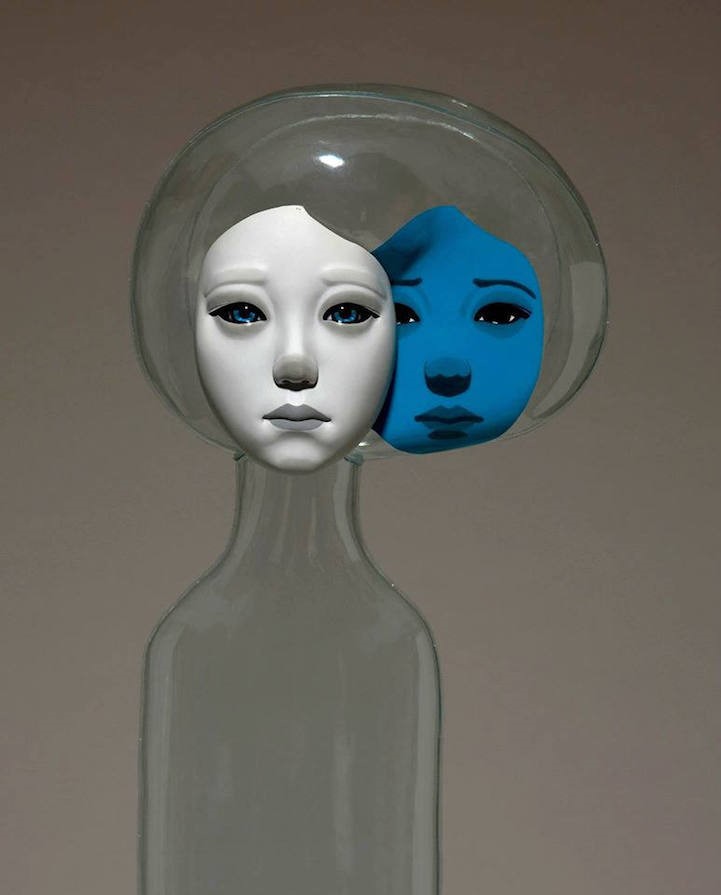
Korean artist Yu Jinyoung creates poignant plastic sculptures that reflect her adolescent emotions
Complex computations are needed to understand words
To construct meaningful representations that resemble the thoughts of the speaker
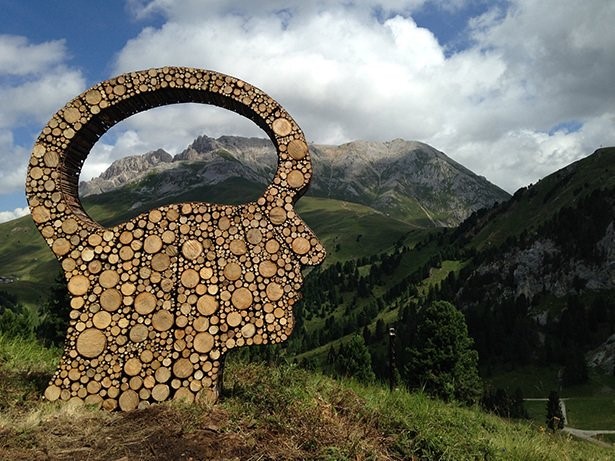
Mind’s Eye (2015), by Olga Ziemska
Our minds contain stored knowledge about word meanings
But our mental lexicon is more complex and flexible than any dictionary
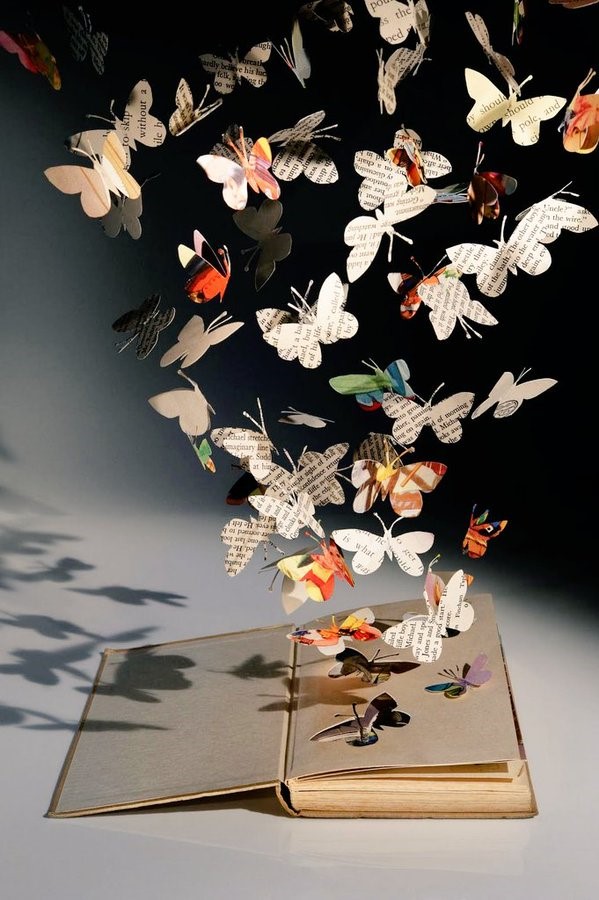
“Hope” by Su Blackwell
Words don’t have fixed, immutable meanings
Their meanings are flexible and context dependent
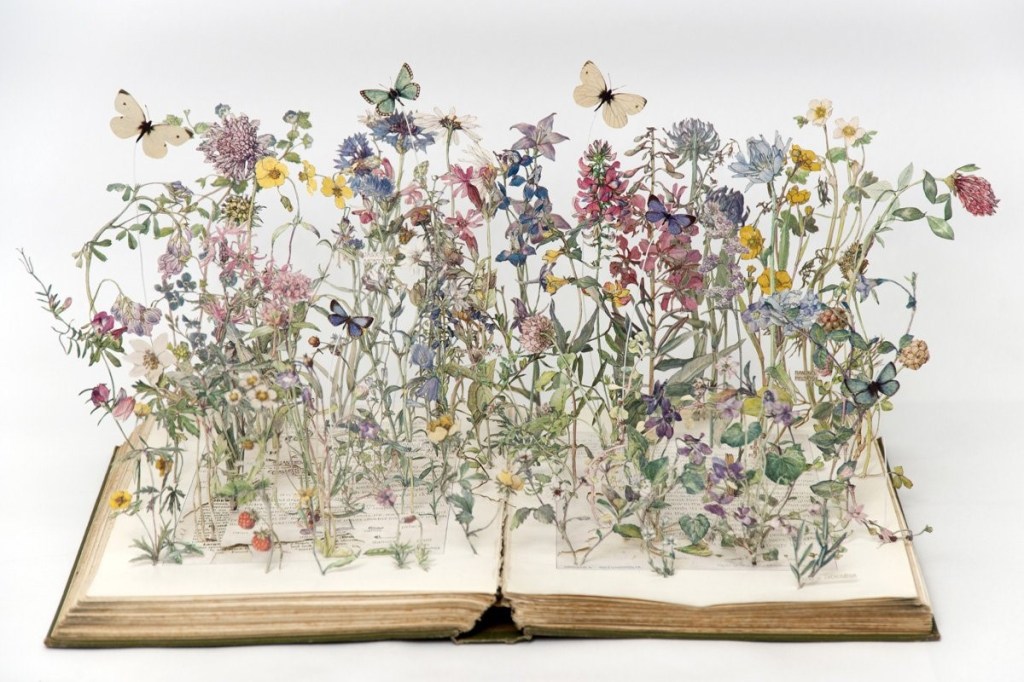
Su Blackwell, UK artist creates paper art out of old books
The meaning the homograph “coach” depends if we’re discussing travel
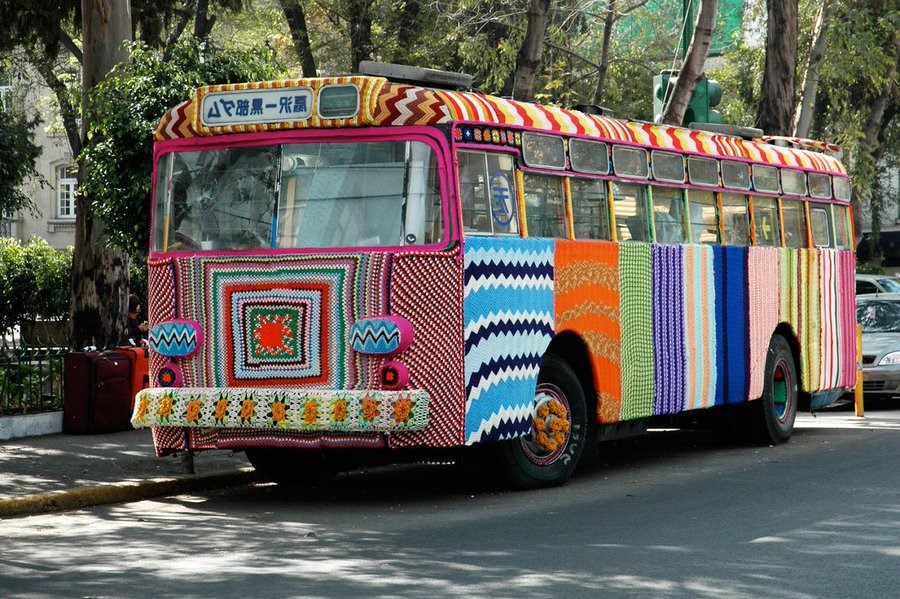
‘Bus’ by Magda Sayeg, Austin textile artist
… or football

London based photographer Jane Stockdale
It a take more time and effort to understand homographs
We know this from monitoring readers’ eye-movements
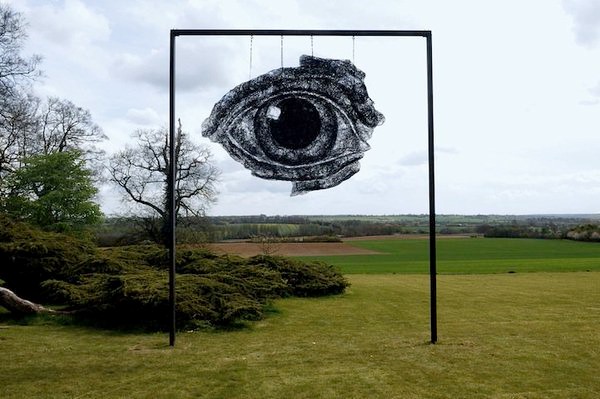
Sculptor Sophie Ryder, Eye
… or their brain activity
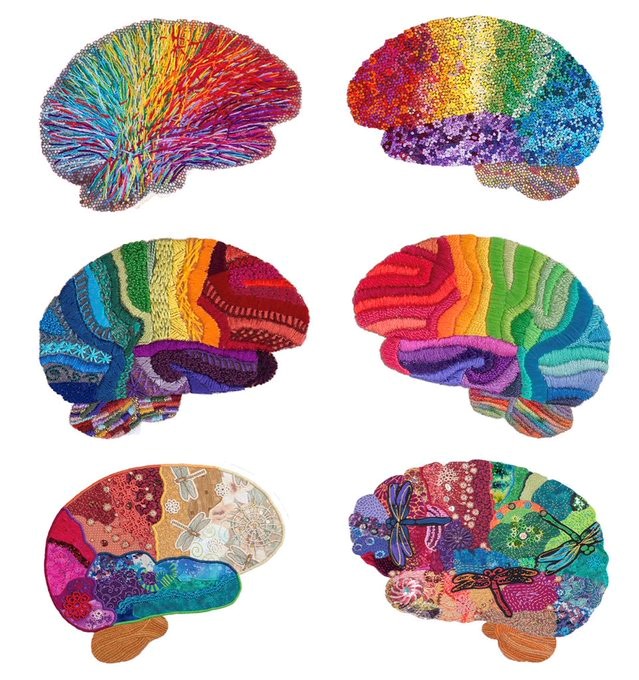
Rainbow brains by Laura Bundesen
But homophones are weird words
What about more ordinary words like “run”?
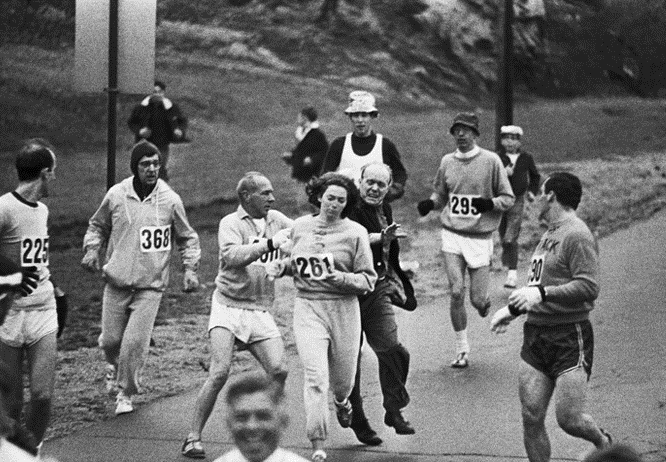
Kathrine Switzer, the first woman to run in the Boston Marathon (1967)
Their meanings are also context dependent
Athletes run differently to rivers
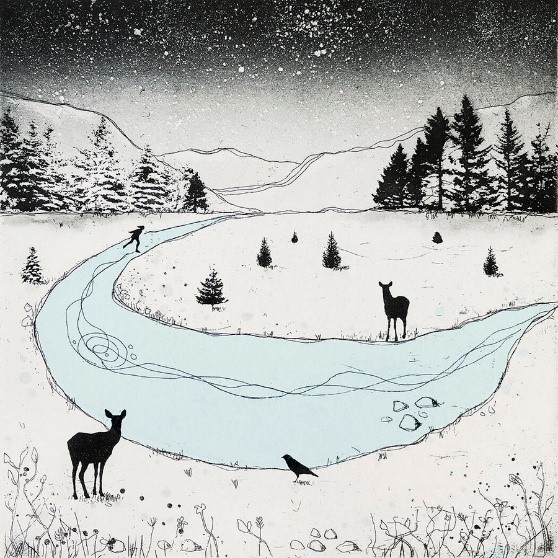
‘Wish I had a river’ by Fiona Watson
or politicians running for election
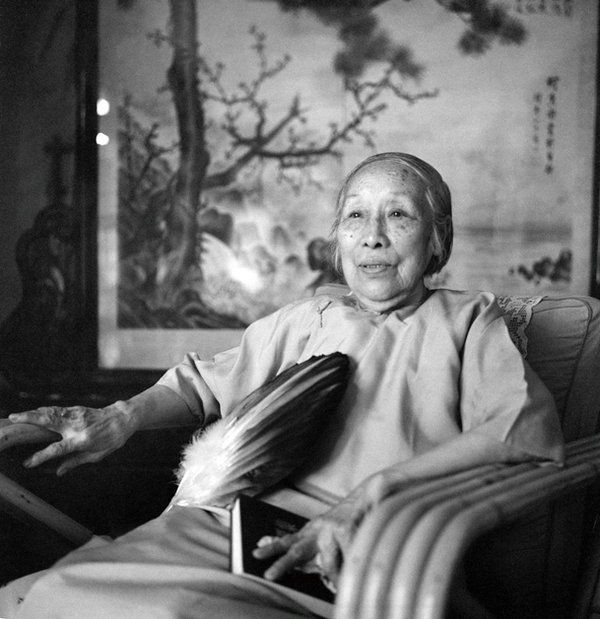
He Xiangning (1878-1972), Chinese artist, revolutionary, feminist, politician and poet
or films running at the cinema
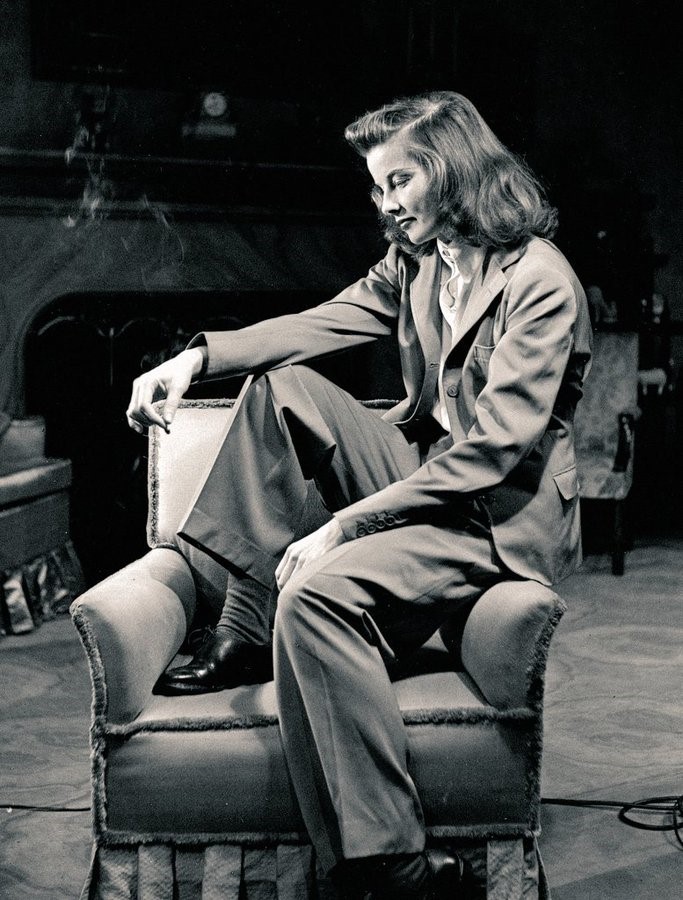
Katharine Hepburn (1907- 2003), US film actress
We have very precise knowledge of when and how to use such words
We run baths, but not usually showers or sinks
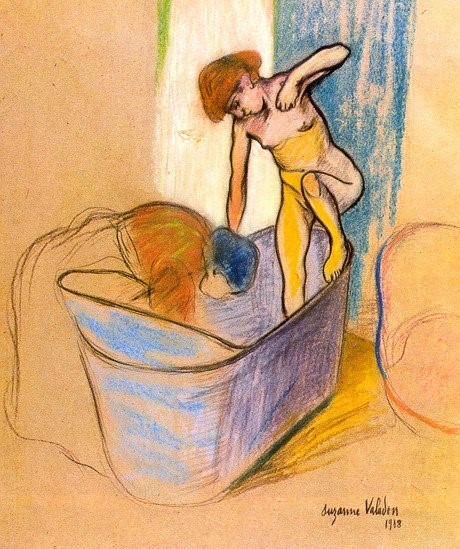
Suzanne Valadon, The Bath, 1908
Even our interpretation of precise words like “piano” are context dependent
We only focus on their heaviness only when thinking about moving them
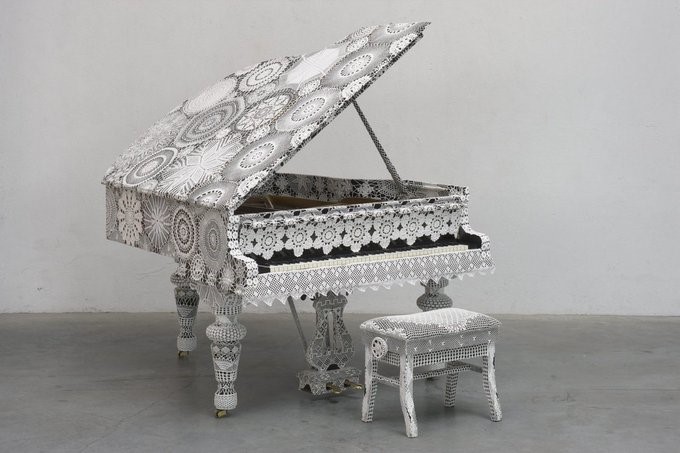
‘Piano Dentelle’ by Portuguese installation artist Joana
Dictionaries don’t scratch the surface of the richness, subtlety and flexibility of how the mind respond to words

Brittany, France early 20th century, women making ‘picot bigouden’
Words take your mind on a complex journey within your hugely high-dimensional brain
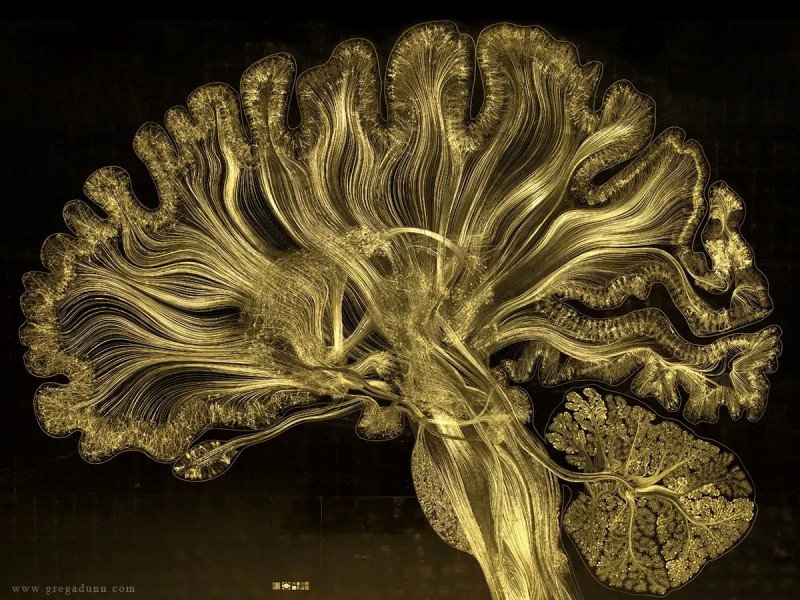
@GDunnArt
Familiar words take your brain to familiar, stable places with vastly complex brain-space
Familiar words are complex galaxies with endless range of nuanced meanings
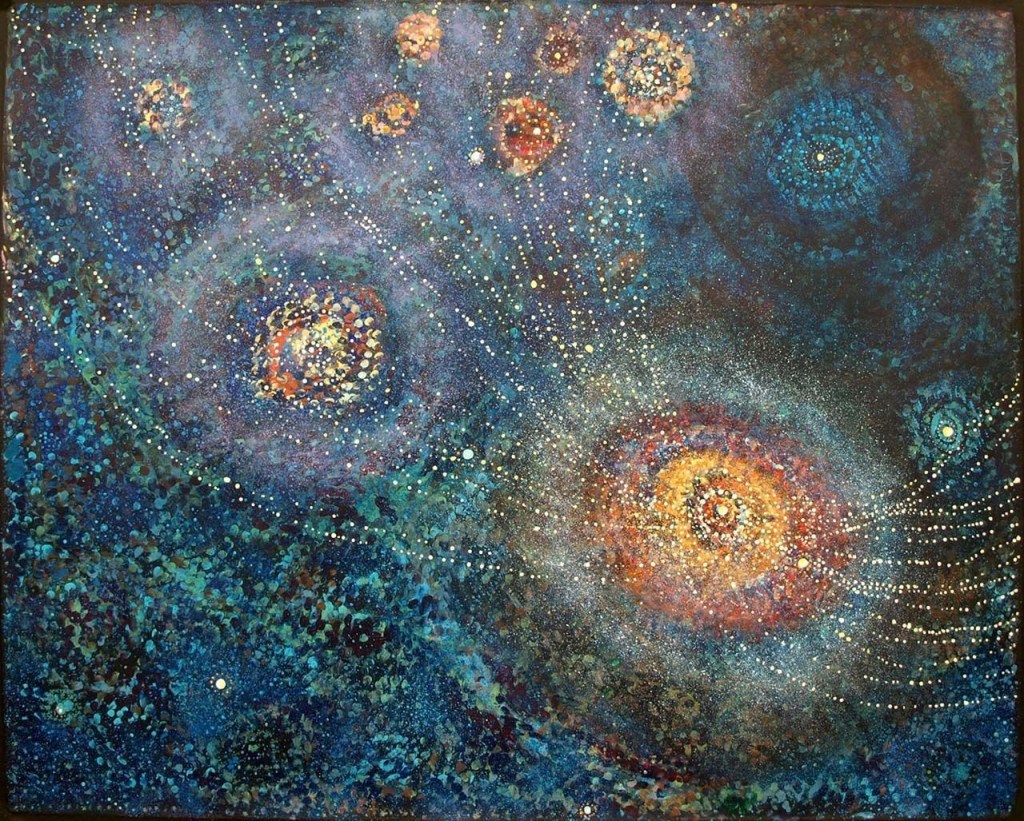
Alma Nungurrayi Granites paints the great Warlpiri story of the Seven Sisters Dreaming
Words do not have fixed immutable lists of features
Words are tools that allow your brain to access complex constellations of meaning

Su Blackwell, UK artist
Humans are lifetime learners

Maria Whang Od Oggay, age 106, the oldest tattoo artist from the Northern Mountain in the Philippines
Our word meaning knowledge is an idiosyncratic product of unique experiences
Containing weird legacies of hobbies and interests
Influenced by what people around us choose to discuss

Emmanuelle Moureaux, ‘I am here’ comprises the silhouettes of 18,000 women in different colours
Would communication be easier if language was less nebulous?
Perhaps. But less interesting

‘Woman wiring an early IBM computer’ from the ‘Documenting Science’ series (1938-58) by photographer Berenice Abbott
Lexical flexibility gives language endless capacity for expression
We distort and mutate meanings to express new ideas.

The US group Moms Demand Action created The Mother’s Dream Quilt Project
Art produces a highly variable cascade of ideas in our minds
Words work similar magic
Adaptable word meanings are at the heart of human creativity
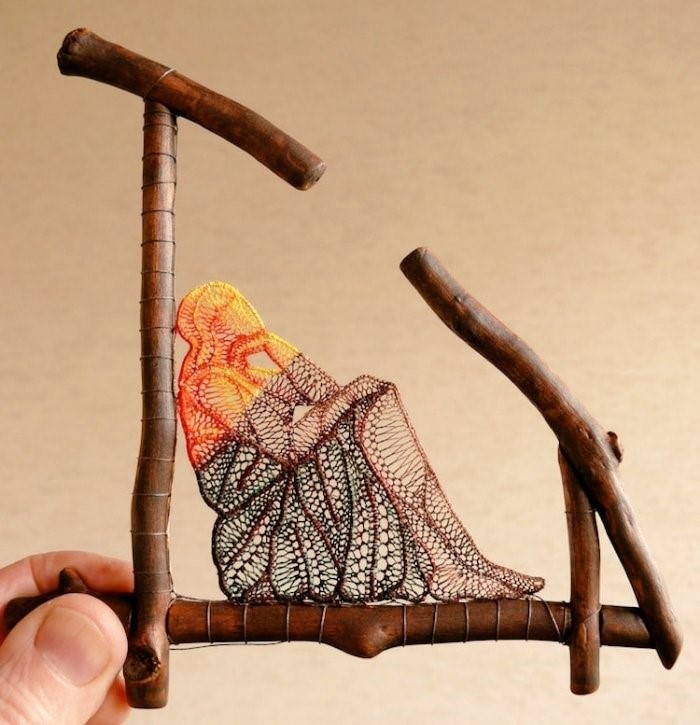
Hungarian artist Agnes Herczeg
That’s all
Thank you
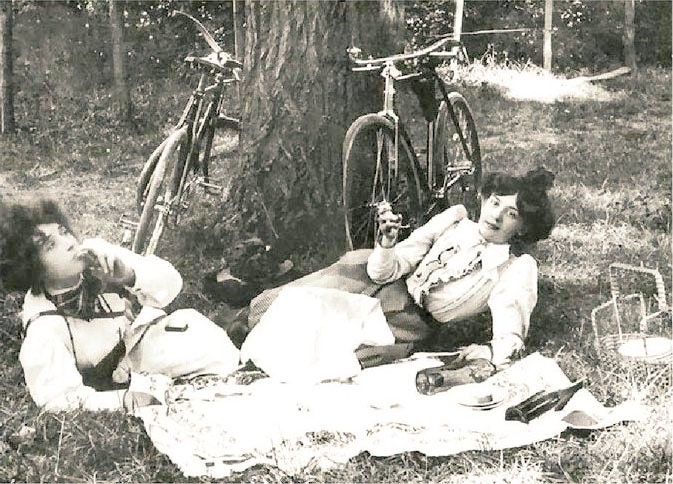
#WomensArt
 The Word Lab at UCL